
Published: 9 April 2026
A standard homebuyer survey does not usually include a CCTV camera inspection of underground drains. The surveyor may comment on visible signs and accessible chamber covers.
That is useful, but it is not the same as viewing the inside of pipework. Drainage is one of the few important systems you cannot properly assess during a normal viewing.
Level 2 and Level 3 surveys remain valuable for overall condition. They are just not normally specialist drainage inspections.
Where issues or risks typically arise
Risk appears when buyers assume “survey done” means drains were fully checked. Underground defects such as cracking, root ingress, displacement, or collapse indicators may stay hidden.
Problems are also missed where drainage history is unclear or the property has been altered. Older homes and extended properties can carry more uncertainty in buried systems.
What this means for a buyer
If drainage condition could affect your budget or confidence, treat it as a separate due diligence item. Do not rely on assumptions about what the homebuyer survey included.
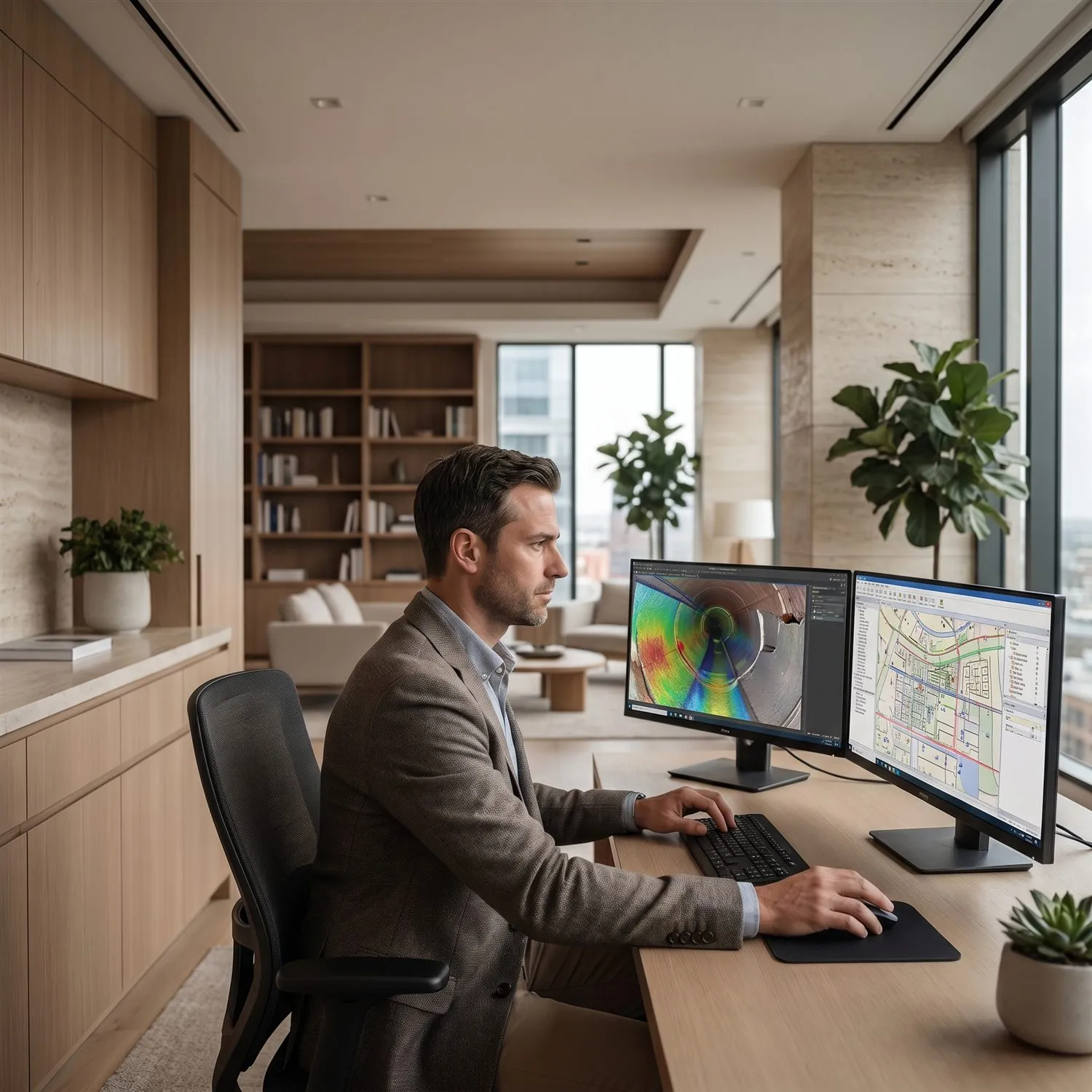
A CCTV drain survey can turn hidden uncertainty into visible evidence on accessible runs. That gives you clearer information before contracts are committed.
What to check or consider
Read the survey report closely and note any recommendation for further drainage investigation. Check whether accessible chambers were actually viewed and what limitations were recorded.
Consider a separate drain survey where the property is older, altered, or has known drainage history. Also consider it where your solicitor or surveyor raises follow-up concerns.
Final guidance before proceeding
Keep building survey and drainage checks as complementary steps. If drainage findings could change your decision, check them before exchange rather than after completion.
If you are buying in Leeds, our Leeds homebuyer drain survey guidance explains how this fits a local purchase and what the CCTV drain survey report typically covers.