
Published: 9 April 2026
A CCTV drain survey report should explain what was inspected and what was found on accessible drainage runs. For a buyer, the report is useful when it supports real pre-exchange decisions.
Formats vary between providers, but clarity should not vary. You should be able to understand scope, findings, and limitations without specialist interpretation.
The aim is practical evidence, not technical volume for its own sake.
Where issues or risks typically arise
Risk appears when reports are vague about what was inspected. If scope is unclear, it is hard to know whether key areas were checked.
Another issue is weak recording of access limitations. If uninspected sections are not clearly flagged, buyers can overestimate certainty.
What this means for a buyer
A drain report does not replace a RICS home survey or building survey. It should be read alongside legal enquiries, seller information, and the main property survey.
If visible defects are identified, you may need follow-up questions, remedial quotes, or specialist advice before exchange. If access was limited, that remaining uncertainty also matters.
What to check or consider
Check that the report states property details, inspection date, and inspected runs. Confirm it explains limitations and describes defects in plain language.
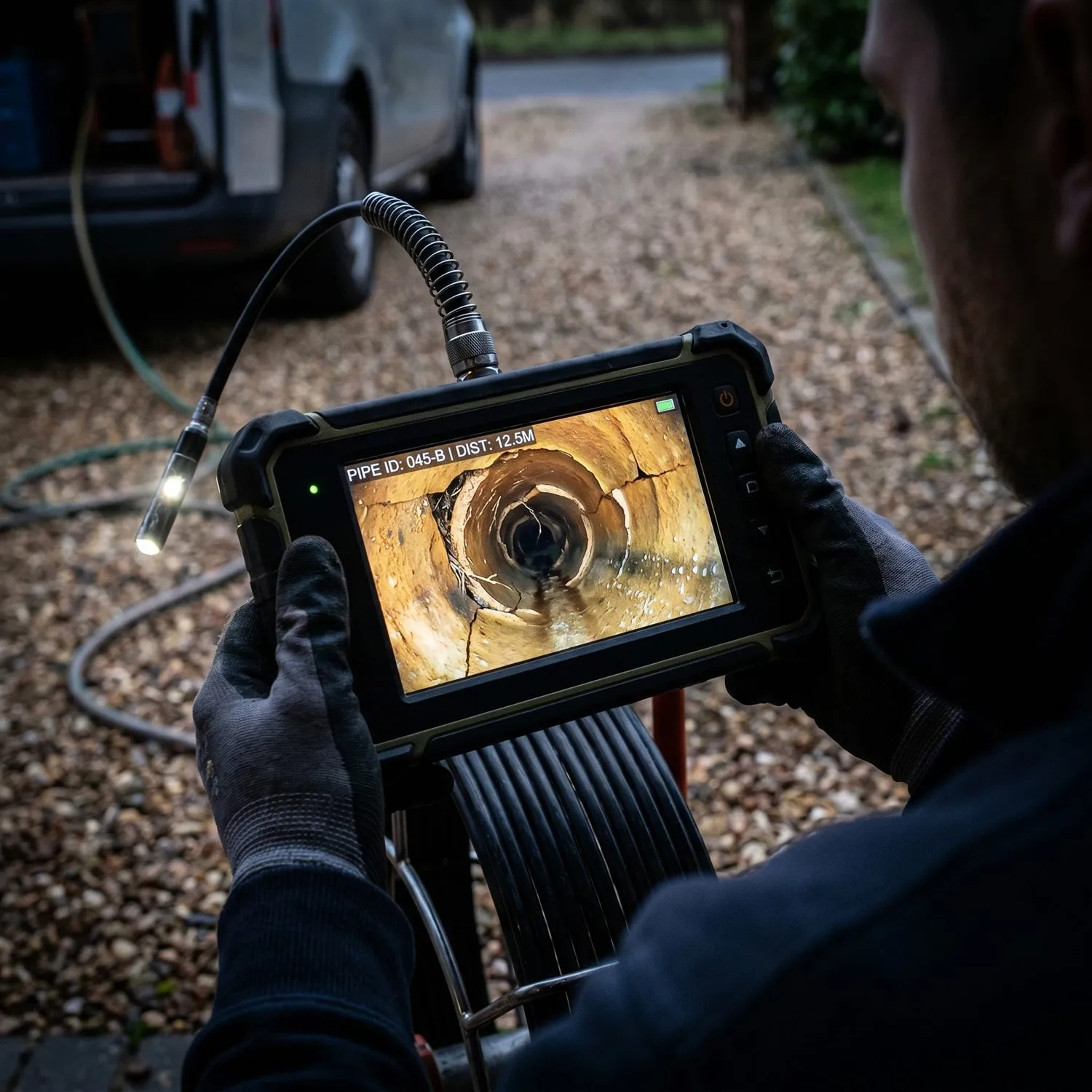
Look for supporting images or video references where relevant. Check that next-step recommendations are practical and linked to the findings.
Final guidance before proceeding
Use the report as a decision tool, not a guarantee that every hidden issue has been found. The best report is the one that gives clear, usable evidence while you can still act on it.
Buying in Leeds? Our Leeds homebuyer drain survey guidance explains how the report fits into a local purchase, and the homebuyer drain survey page covers the service itself.